Baby Bee Embroidery Design Review for Small Business Merch
As an embroidery designer who has spent years digitizing patterns for boutique brands and local businesses, I approach every new machine embroidery design with a critical eye. It is not just about whether a motif looks cute on a screen; it is about how it performs in the hoop, how it wears after washing, and how it elevates a brand’s identity. Recently, I evaluated the Baby Bee Embroidery Design, a pattern situated in the Nursery category, to determine its viability for commercial use beyond baby blankets. My goal was to see if this cheerful motif could serve as a versatile asset for small business merch, from café aprons to artisan tote bags.
First Impressions: Visual Personality and Brand Fit
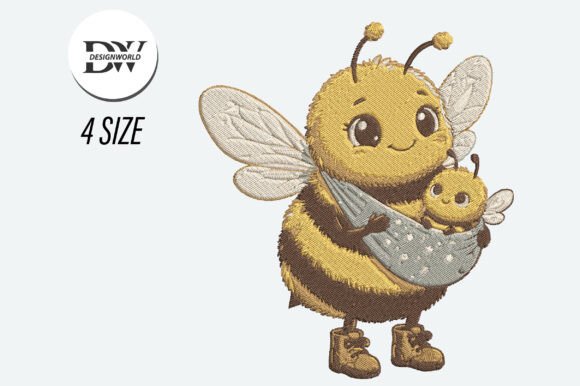
The first thing that strikes you about the Baby Bee Embroidery Design is its inherent warmth. The description promises a sweet and cheerful touch, featuring an adorable little bumble bee with charming artistic details. Visually, this translates to a design that feels friendly, approachable, and handmade. For businesses in the creative sector—such as bakeries, florists, pet boutiques, or family-oriented studios—this visual personality is invaluable. It does not scream corporate rigidity; instead, it invites connection.
However, "cute" can sometimes be mistaken for "amateur" if not executed correctly. In my review, I looked closely at the line work and fill structures. The artistic details suggest a balance between solid fills and open spaces, which is crucial for maintaining a premium look. A design that is too dense can feel heavy and cheap, while one that is too sparse may lack impact. This particular embroidery file appears to strike a balance that suggests professionalism while retaining that essential handmade charm.
Real-World Applications for Small Business Merchandise
When considering commercial embroidery projects, versatility is key. I tested the concept of this bee design across several common merchandise items to see where it shines.
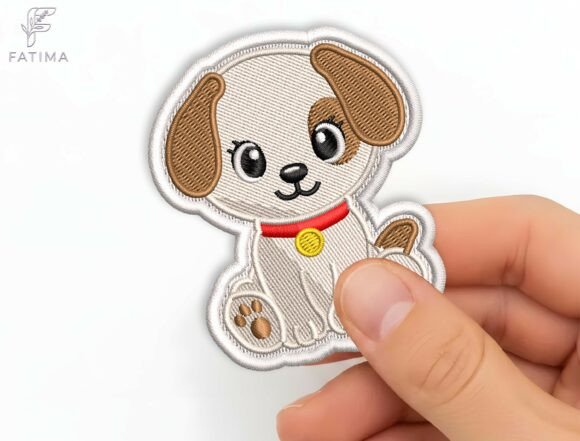
- Embroidered Patches: This is perhaps the strongest application. A bee motif works beautifully as a standalone patch for hats or jackets. The organic shape of a bee allows for interesting edge finishes, such as a satin stitch border that follows the contours of the wings and body.
- Apron Embroidery: For cafes and bakeries, staff uniforms are walking billboards. Placing the Baby Bee Embroidery Design on the chest pocket or upper corner of an apron adds a touch of whimsy without overwhelming the uniform. It signals a friendly, service-oriented atmosphere.
- Tote Bag Design: Canvas totes are a staple for Etsy sellers and craft fairs. A bee design centered on a tote bag creates an instant focal point. Because bees are associated with nature and sustainability, this aligns well with eco-conscious brands.
- Cap Embroidery: Front-panel cap embroidery requires simplicity. If the design’s details are fine enough, it can work as a small left-chest accent or a center-front logo. However, curvature is the enemy here, so placement must be precise.
For handmade product creators, this design can also serve as a label accent. Imagine a small bee stitched onto the hem of a linen napkin or the tag of a knitted scarf. These subtle touches increase the perceived value of the finished product and encourage customer loyalty.
Technical Considerations and Production Challenges
While the aesthetic appeal is high, technical execution determines success. As a designer, I always advise checking specific technical details before running a production batch. Since the provided description does not list exact stitch counts or recommended hoop sizes, you must verify these specs in the digital embroidery file metadata before purchase.
Fabric Texture and Stabilizer Choice
The performance of the Baby Bee Embroidery Design will vary significantly based on fabric texture. On smooth cotton or poly-blend twill, the stitches will lay flat and crisp. However, on textured fabrics like terry cloth or heavy canvas, fine details might get lost. In such cases, using a cut-away stabilizer is non-negotiable to prevent puckering. For delicate nursery items, a soft tear-away might suffice, but for durable workwear, invest in quality backing.
Stitch Density and Thread Colors
Review the stitch density carefully. If the bee’s wings feature very tight satin stitches, they may pull on lightweight fabrics. I recommend running a test stitch-out on scrap fabric identical to your final product. Additionally, consider your thread colors. While yellow and black are traditional, a monochrome version (all black or all white) can look sophisticated and modern. Always test the design in black and white first to ensure the contrast holds up without color reliance.
Size Limitations
Be cautious with scaling. Shrinking the design too much for tiny patches or narrow hat bands can cause needle breaks or thread bunching. Ensure the smallest details, such as the antennae or wing veins, remain visible at your intended size. If the design becomes a blob at 2 inches wide, it is not suitable for small applications.
Enhancing Brand Identity and Customer Trust
Consistency in brand identity builds trust. If your business ethos is warm, community-focused, and natural, the Baby Bee Embroidery Design reinforces that message visually. Customers associate high-quality embroidery with care and attention to detail. A well-executed embroidered logo or motif suggests that the business values craftsmanship.
For Etsy sellers and online shops, creating a printable mockup or digital preview using this design can boost engagement. Show potential buyers how the bee looks on a mug wrap, a onesie, or a tote. These design assets help customers visualize the custom apparel or gift item, reducing hesitation and increasing conversion rates.
Final Verdict and Designer Notes
The Baby Bee Embroidery Design is a strong contender for small businesses looking to add personality to their merchandise. It bridges the gap between playful and professional, making it suitable for a wide range of industries beyond the nursery sector. However, success depends on proper preparation.
- Verify Licensing: Confirm commercial licensing terms before using the design for products you intend to sell. Never assume a file is free for commercial use.
- Test on Real Fabric: Do not rely solely on screen previews. Stitch out the design on your actual production material.
- Check Hoop Size Compatibility: Ensure the design fits within your machine’s hoop capabilities without excessive re-hooping, which can lead to misalignment.
- Compare with Other Assets: Place the bee beside your existing logos or fonts to ensure visual harmony.
In conclusion, if you are looking to refresh your small business merch with a touch of charm, this design is worth evaluating. With careful attention to fabric texture, stabilizer choice, and sizing, the Baby Bee Embroidery Design can become a signature element of your brand, delighting customers and enhancing the perceived quality of your handmade goods.