Reviewing Cute Elephant Embroidery Design Art for Fairs
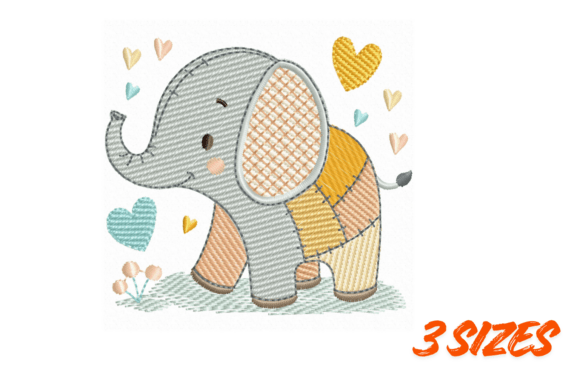
As an embroidery designer who has spent countless weekends behind a craft fair table, I know that the difference between a browser and a buyer often comes down to visual impact. When I recently pulled up the Cute Elephant Embroidery Design Art file to test for my upcoming market season, my first impression was one of immediate warmth. This is not just another animal motif; it is a carefully crafted piece that bridges the gap between playful nursery decor and sophisticated handmade quality. For those of us running small shops or Etsy stores, finding a design that translates well across multiple product types is rare, but this elephant motif feels like a versatile winner.
First Impressions and Visual Appeal
The moment you load the digital embroidery file, the charm is evident. The design leans heavily into the "cute" aesthetic without crossing into cluttered territory. It feels soft, modern, and inviting. In the context of Baby Animals themes, which are perennial bestsellers, this elephant stands out because of its clean lines and balanced proportions. It does not look like a generic clipart conversion; instead, it possesses the deliberate stitch placement of a professional machine embroidery design. For a craft fair booth, this matters immensely. Customers can spot low-quality digitizing from ten feet away. This design, however, reads as premium and intentional, making it an excellent anchor for a high-end handmade brand.
Versatility Across Product Lines
One of the strongest assets of this design is its adaptability. I tested it on several common craft fair product bases, and the results were promising. On a canvas tote bag design, the elephant serves as a bold focal point. Its size is substantial enough to be seen from a distance, drawing foot traffic to your display. When applied to an apron, it adds a whimsical touch that appeals to both parents and teachers. I also experimented with tea towel embroidery, where the design retained its clarity despite the textured fabric. This versatility allows you to create a cohesive collection, offering customers a range of price points from small accessories to larger home goods.
For those interested in creating embroidered patch products, this design works beautifully on felt or twill backings. Patches are low-commitment purchases for customers, and the cute elephant motif makes them irresistible add-ons at checkout. Additionally, using this design on pillow covers or baby blankets taps directly into the nursery decor market. The softness of the elephant’s appearance complements the tactile nature of these items, enhancing the perceived value of the finished product.
Production Practicalities for Small Shops
From a production standpoint, efficiency is key. If you are an Etsy seller or a busy boutique maker, you need designs that are reliable. This embroidery file appears to be optimized for speed without sacrificing detail. However, there are critical technical considerations to keep in mind before you start batch producing. Always check the stitch density in your software. While the preview looks smooth, dense areas can cause puckering on lighter fabrics. I recommend using a cut-away stabilizer for stretchy materials like kids' apparel and a tear-away for stable woven fabrics like tote bags.
Another factor is the hoop size. Ensure that the design fits comfortably within your standard hoop dimensions. If the design is large, you may need to use a multi-positioning technique or a larger hoop frame. Consistency is vital for brand recognition, so try to keep the placement uniform across all your small shop product lines. This creates a professional look that customers associate with quality craftsmanship.
Navigating Fabric and Thread Challenges
Choosing the right thread colors can make or break the visual appeal of the Cute Elephant Embroidery Design Art. On dark fabrics, ensure you have sufficient contrast. A pastel elephant on a navy blue tote might get lost, whereas a bright white or vibrant teal would pop. Conversely, on light fabrics, avoid threads that are too similar in tone to the background, as the details may vanish. I suggest creating a few test samples on different fabric weights to see how the fabric texture interacts with the stitches. Textured towels, for instance, may require slightly longer stitches to prevent the fabric from showing through the gaps.
Be cautious with curved surfaces like caps. The design needs to be centered perfectly to avoid distortion. If the elephant has fine details, such as small eyes or intricate ears, verify that they do not become muddy when stitched on thick material. If the design includes any small lettering or tiny elements, consider simplifying or removing them for smaller applications to maintain clarity.
Marketing and Display Strategy
When preparing your booth, think about how this design photographs. A well-lit photo of the elephant on a soft blanket can drive online sales long after the fair ends. Use the design to create printable mockup images for your social media and design assets for your website. Highlighting the commercial embroidery potential of this file can also attract other crafters if you decide to sell the digital file itself. However, always confirm the licensing terms. Since the description mentions an instant digital download, ensure you understand the rights for selling finished goods versus redistributing the file.
Customer engagement increases when they can see the design in action. Display a variety of items featuring the elephant: a tote, a patch, and a pillow. This shows the versatility of the Cute Elephant Embroidery Design Art and encourages customers to imagine it in their own homes. The emotional connection people feel toward baby animals and nursery themes is powerful. By presenting this design as part of a curated collection, you elevate it from a simple stitch pattern to a desirable lifestyle product.
Final Designer Notes
Before committing to a large production run, always stitch out a test on scrap fabric identical to your final product. Check for thread breaks, tension issues, and overall alignment. Review the spacing between color changes to ensure smooth transitions. If you are new to Embroidery business operations, start with a small batch to gauge customer response. The Cute Elephant Embroidery Design Art has the potential to be a staple in your portfolio, offering a blend of charm and professionalism that resonates with buyers. With careful attention to stabilizer choice, thread contrast, and product placement, this design can significantly boost your sales and strengthen your brand identity in the competitive handmade market.