Reviewing the Teddy Bear Letter S Embroidery Design
As a designer who spends half my life staring at digitized files and the other half pulling threads out of jammed machines, I have learned to look past the cute preview images. We all know that what looks adorable on a screen does not always translate cleanly to fabric. When I first opened the Teddy Bear Letter S Embroidery Design, my immediate reaction was one of cautious optimism. It is undeniably charming, but charm does not pay the bills or prevent puckering. My job here is to evaluate whether this file holds up under the pressure of real-world production, client expectations, and the unforgiving nature of various textiles.
First Impressions and Visual Personality
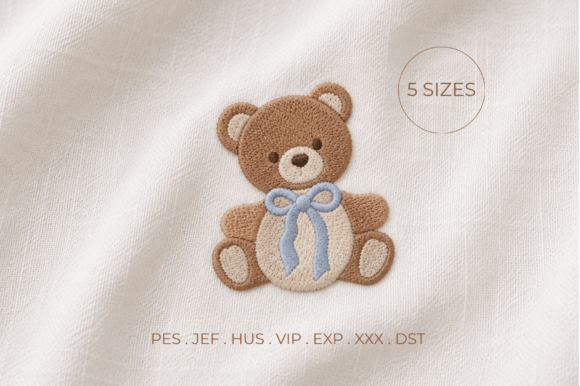
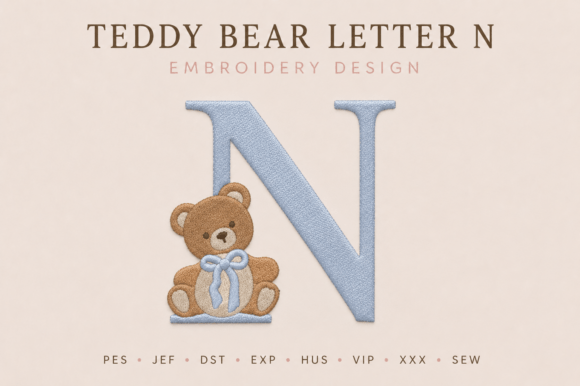
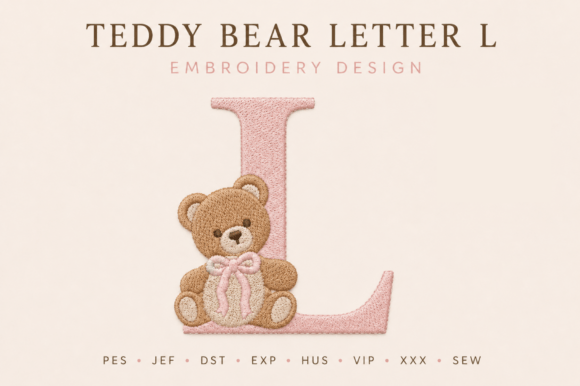
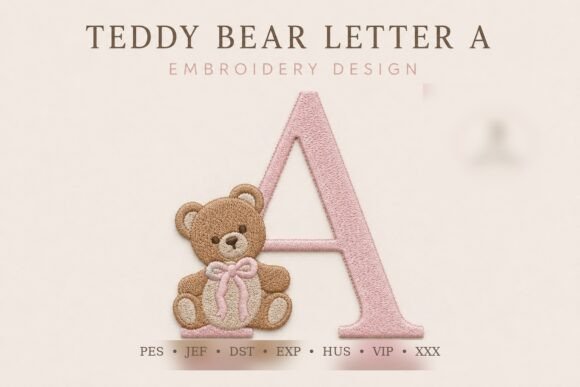
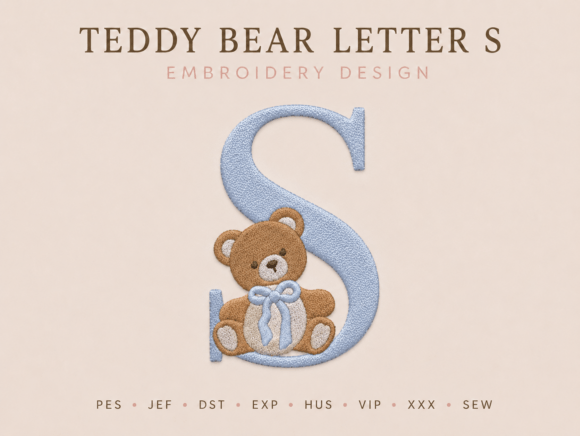
The design combines a bold, rounded letter S with a small, integrated bear motif. The mood is distinctly soft and nurturing, which makes it an obvious candidate for the baby market. However, from a compositional standpoint, the balance between the character and the typography is critical. In many amateur designs, the animal element overwhelms the letter, making the monogram unreadable. Here, the bear feels like a companion to the letter rather than a distraction. The lines appear clean, suggesting a thoughtful approach to stitch placement. For an embroidery project intended for nursery decor or infant wear, this visual personality hits the right note without being overly saccharine.
Real-World Application: The Custom Tote Test
To truly understand the value of a machine embroidery design, you have to imagine it on a product. I recently considered using this asset for a custom order involving canvas tote bags for a local boutique. The client wanted personalized gifts for new mothers. I visualized the Teddy Bear Letter S Embroidery Design stitched in a contrasting thread color against natural cotton canvas. The result would be striking. The simplicity of the shape allows it to scale reasonably well, meaning it could work as a central focal point on a bag or as a smaller accent on a pocket.
Beyond totes, this design shines in sweatshirt embroidery. The density of fleece can sometimes swallow delicate details, but because this design relies on strong outlines and solid shapes, it should remain visible. For an Etsy seller looking to expand their craft business inventory, this type of versatile graphic is gold. It allows for quick personalization. A customer orders a blanket for baby Sarah, and you swap the S for her initial. The consistency of the design style ensures that your small shop product line looks cohesive, regardless of the letter chosen.
Technical Considerations and Stitch Behavior
Let us talk about the mechanics. While I do not have the exact stitch count or file specifications in front of me, the visual structure suggests a mix of satin stitch for the borders and fill stitch for the body of the bear and letter. This combination is standard for durability, but it requires attention. Satin stitches are prone to snagging if they are too wide or if the fabric is loose. If you are planning to use this on a tote bag design made of heavy canvas, you will need a robust stabilizer to prevent the fabric from pulling away from the stitches.
For baby embroidery items like bibs or onesies, the hand-feel is paramount. Parents do not want scratchy backs. If this design uses dense fill stitching, you must consider using a soft cut-away stabilizer or testing a tear-away option on scrap fabric first. Always check the stitch density in your software before hitting start. If the digital file packs too many stitches into a small area, it will create a hard patch that irritates sensitive skin. This is where professional judgment separates a hobbyist from a trusted commercial embroidery provider.
Fabric Compatibility and Limitations
Not every fabric is a friend to this design. While it would look fantastic on sturdy cotton twill or medium-weight fleece, I would hesitate to use it on thin, stretchy jersey without significant stabilization. The weight of the thread could cause the garment to warp. Similarly, textured fabrics like terry cloth might obscure the finer details of the bear’s face. If you are creating an embroidered patch to be ironed on later, this design is ideal because you can control the backing and stabilizer completely during the stitching process.
Curved surfaces present another challenge. If you are attempting cap embroidery, the curvature of the crown can distort the letter S. The symmetry of the design might appear off-center if not hooped perfectly. For beginners, I recommend sticking to flat surfaces like pillow covers, tea towels, or aprons until you master the tension settings required for curved items. Always test the design on scrap fabric that matches your final material. This simple step saves hours of frustration and protects your reputation as a maker.
Commercial Viability and Brand Consistency
For those selling digital embroidery files or finished goods, consistency is key. This design fits seamlessly into a broader collection of Teddy Bears themed assets. If you offer a full alphabet in this style, you create a recognizable brand identity. Customers return because they know what to expect. The personalized gift market thrives on this reliability. Whether it is a holiday ornament or a birthday banner, the design’s clarity ensures it photographs well for printable mockup previews and social media marketing.
However, before listing this as a design asset for sale or using it in client work, verify the licensing terms. Some creators allow personal use only, while others permit commercial application. Assuming rights without checking can lead to legal issues that shut down your small business. Treat your intellectual property respect as seriously as your stitch quality.
Final Designer Notes
To get the best results from the Teddy Bear Letter S Embroidery Design, follow these practical steps:
- Test on scraps: Never stitch directly on your final garment. Use similar fabric and stabilizer combinations to check for puckering or thread breaks.
- Check contrast: View the design in black and white on your screen. If the details disappear, the contrast may be too low for certain fabric colors.
- Inspect small details: Zoom in on the bear’s features. Ensure there are no tiny, isolated stitches that might pull out during washing.
- Confirm hoop size: Make sure the design fits comfortably within your machine’s hoop, leaving room for proper clamping.
- Thread selection: Choose high-quality polyester or rayon threads that match the intended use. Polyester is more durable for items that will be washed frequently.
In conclusion, this design is a solid addition to any library focused on children’s apparel and gentle home decor. It balances aesthetic appeal with structural integrity, provided you respect the technical requirements of your materials. For the handmade product creator, it offers a reliable way to add value and personalization to everyday items. Just remember: the file is only as good as the execution. Take your time, stabilize properly, and let the quality of your craftsmanship speak for itself.