Cute Bunny Embroidery Patch Design: A Designer’s Review
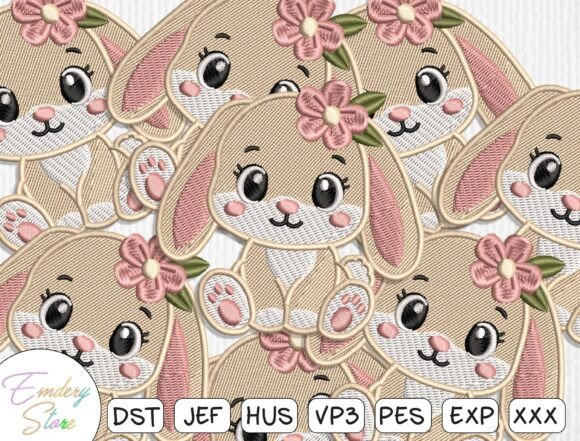
As an embroidery designer who has spent countless weekends standing behind booth tables, I have learned that not every digital file translates into a bestseller. When I first loaded the Cute Bunny Embroidery Patch Design onto my machine for a test run, I was looking for more than just aesthetic appeal. I was evaluating its potential as a high-converting craft fair product. The initial impression is immediate: this design exudes playful forest charm with a distinct kawaii influence. It is not merely cute; it is strategically adorable, designed to catch the eye of passersby who are drawn to soft, whimsical aesthetics.
The description promises sparkling elements and baby bunnies, which suggests a design that relies on visual texture and light reflection. For those of us in the Animals category of Embroidery, finding a balance between intricate detail and production efficiency is crucial. This review breaks down how this specific design performs in real-world scenarios, from the hoop to the checkout counter.
First Impressions and Visual Appeal
The moment you view the Cute Bunny Embroidery Patch Design, the mood is clear. It feels soft, decorative, and undeniably cheerful. In a market saturated with minimalist or rustic farmhouse styles, this design stands out because it embraces maximalist cuteness without becoming cluttered. The kawaii-style baby bunnies serve as the focal point, likely drawing in customers who appreciate anime-inspired art or gentle nursery themes.
For a weekend craft fair, visual stop-power is everything. This design does not require explanation. Customers understand it at a glance. Whether displayed on a hanging rack of patches or stitched onto a tote bag, the bold outlines and likely vibrant thread colors ensure it remains visible from a distance. It avoids the trap of being too subtle, which is a common mistake in digital embroidery files intended for small goods.
Versatility Across Product Lines
A successful handmade product line relies on versatility. I tested this design across several substrates to determine where it shines brightest. Here is how the Cute Bunny Embroidery Patch Design performs on various items:
- Tote Bags: As a tote bag design, it works exceptionally well when placed centrally. The playful nature of the bunny complements canvas textures, making it an ideal impulse buy for shoppers looking for reusable market bags.
- Aprons and Tea Towels: For apron embroidery and tea towel embroidery, the design adds a touch of whimsy to kitchen linens. However, care must be taken with textured towels. If the fabric pile is too high, the finer details of the bunny’s face might get lost. I recommend using a cut-away stabilizer to prevent puckering on these thinner fabrics.
- Embroidered Patches: This is perhaps the strongest application. An embroidered patch allows for batch production. You can stitch dozens of these on a single sheet of felt or twill, cut them out, and sell them individually. This maximizes your return on time invested.
- Caps and Pouches: On curved surfaces like caps, the design needs to be scaled correctly to avoid distortion. For small pouches, it serves as a charming accent that elevates a basic item into a giftable piece.
Production Practicalities for Small Shops
For any Etsy seller or boutique maker, time is money. The Cute Bunny Embroidery Patch Design appears to be optimized for repeatability. When preparing for a craft fair, you need designs that can be produced in batches without constant thread changes or complex trimming. While the description mentions "sparkling" elements, which may imply metallic threads or satin stitches, it is vital to check the actual stitch density before running a large order.
If the design includes dense satin columns for the bunny’s outline, ensure your machine is properly threaded with high-quality rayon or polyester. Metallic threads can be temperamental; if the design relies heavily on them for the "sparkle," consider testing with a top-stitch needle to reduce breakage. For a small shop product, consistency is key. You do not want every tenth patch to have a thread break that requires manual repair.
Technical Considerations and Careful Use
Before committing to a full production run, there are several technical factors to address. First, verify the hoop size compatibility. If this is part of a set, ensure each bunny fits within your standard 4x4 or 5x7 hoop to minimize re-hooping time. Second, examine the digital embroidery file for tiny details. Small lettering or minute facial features can disappear if the design is scaled down too much for tiny pouches.
Additionally, consider the fabric texture. On dark fabrics, ensure the design includes underlay stitches that provide enough coverage so the background color does not peek through the lighter thread colors of the bunny. If the design lacks sufficient density, it may look sparse on black denim or navy cotton. Always create at least one real mockup on your intended final fabric rather than relying solely on a printable mockup generated by software.
Boosting Brand Consistency and Buyer Engagement
Incorporating the Cute Bunny Embroidery Patch Design into your lineup can strengthen your brand identity if you specialize in whimsical or nature-inspired goods. It creates a cohesive look when paired with other design assets in your collection. For online listings, this design photographs beautifully. The contrast between the soft bunny shapes and the texture of the embroidery thread creates depth that translates well in images, increasing click-through rates for Etsy sellers.
From a customer engagement perspective, this design invites interaction. People are drawn to touch embroidered items to feel the texture. By placing samples of this design on tactile items like plush pillows or thick canvas totes, you encourage physical engagement at your booth, which significantly increases the likelihood of a sale.
Final Designer Notes
To maximize the potential of this machine embroidery design, follow these practical steps:
- Test on Scrap Fabric: Never skip the test stitch. Check for registration issues between color stops.
- Check Thread Contrast: Ensure the bunny stands out against your chosen fabric color. Pastel bunnies may vanish on white linen.
- Review Spacing: If stitching multiple bunnies in a set, ensure adequate spacing to prevent fabric pull.
- Confirm Licensing: Before selling any finished product, verify the commercial license terms included with the digital embroidery file. Most designers allow finished goods sales but prohibit sharing the file itself.
- Use the Right Stabilizer: Match your stabilizer to your fabric weight. Heavy denim needs a different approach than lightweight cotton voile.
In conclusion, the Cute Bunny Embroidery Patch Design is a strong contender for any crafter looking to add playful, high-appeal items to their inventory. It balances aesthetic charm with production feasibility, making it a reliable choice for both online shops and physical craft fairs. By paying attention to stitch density and fabric choice, you can turn this delightful digital asset into a profitable segment of your commercial embroidery business.