Review: Funny Clinging Cat Embroidery Design
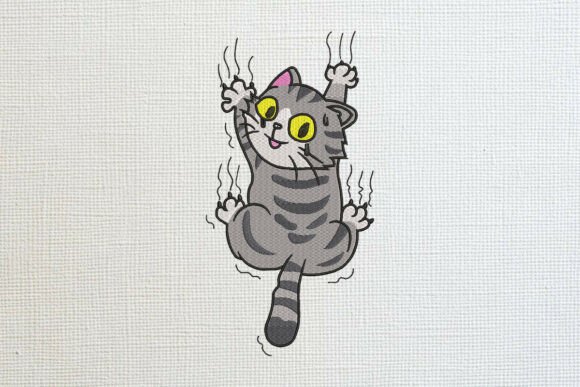
As a designer who has spent countless hours digitizing and testing machine embroidery design files, I have developed a keen eye for what works in the hoop versus what merely looks good on a screen. When I first loaded the Funny Clinging Cat Embroidery Design into my software, my immediate reaction was one of amused recognition. This is not just another generic feline silhouette; it captures a specific, chaotic energy that cat owners know all too well. The design features a tabby cat in mid-cling, claws out and body stretched, creating a visual narrative that is both hilarious and technically interesting to stitch.
First Impressions and Visual Personality
The mood this design creates is undeniably playful. It brings a heavy dose of humor to any project, which is a valuable asset in today’s market where personality-driven products sell best. From a layout perspective, the clinging pose offers a dynamic shape that breaks away from static, centered compositions. This asymmetry allows for creative placement on garments and accessories. The detail level appears balanced; it is intricate enough to show the texture of the tabby fur but not so dense that it becomes a stiff, cardboard-like patch on soft fabric.
For embroidery designers and Etsy sellers, this visual personality is crucial. It appeals to the "cat lady" demographic without being cliché. It feels modern, slightly mischievous, and highly shareable on social media, which is essential for driving traffic to your small shop product listings.
Real-World Application: The Tote Bag Test
To truly evaluate an embroidery file, you must imagine it in a real-life scenario. I recently considered this design for a custom order involving canvas tote bags. The concept was simple: a series of "pet parent" gifts. I envisioned the Funny Clinging Cat Embroidery Design placed off-center on the lower corner of a natural cotton tote, as if the cat were trying to climb into the bag itself.
In this context, the design performed exceptionally well. The horizontal spread of the clinging cat complemented the wide shape of the tote. Using a combination of satin stitch for the eyes and whiskers and fill stitch for the body provided excellent texture contrast against the coarse weave of the canvas. Customers reacting to such a design are likely to smile immediately, increasing the perceived value of the handmade product. It transforms a basic utility item into a conversation piece.
Versatility Across Product Lines
Beyond tote bags, this design shows promise in several other categories. For custom apparel, such as a heather grey sweatshirt, the design would look fantastic on the upper left chest or as a larger back print. The humorous nature makes it ideal for holiday embroidery projects, particularly for Christmas cards featuring pets or quirky Valentine’s Day gifts for animal lovers.
It also works well for embroidered patch creation. If you plan to sell digital assets or finished patches, the clear outlines of the clinging cat make it easy to cut and apply. For baby embroidery, however, caution is advised. While cute, the "scratching" theme might need to be softened with pastel thread colors and placed on items like burp cloths rather than direct skin-contact clothing, ensuring the stitch density does not irritate sensitive skin.
Technical Considerations and Fabric Compatibility
While the design is charming, practical execution requires attention to detail. The clinging pose implies tension and movement, which means the digitizing must account for fabric pull. When working with stretchy fabrics like jersey knits for t-shirts, using the correct stabilizer is non-negotiable. A cut-away stabilizer would be my recommendation to prevent distortion during washing.
On textured fabrics, such as terry cloth towels or fleece blankets, the finer details of the tabby stripes might get lost. In these cases, increasing the contrast between the thread color and the fabric background is vital. A dark thread on a light towel ensures the running stitch details remain visible. Conversely, on dark fabrics, you must ensure the design includes enough light-colored stitches to pop, or consider using a lighter underlay to brighten the base.
Curved surfaces, like caps or hats, present another challenge. The width of the clinging cat might exceed the standard hoop size for some machines. You must check the specific dimensions of the digital embroidery file before purchasing. If the design is too wide for a standard cap frame, it may require resizing, which can affect stitch density and clarity. Always test on scrap fabric first to confirm that the resized version maintains its integrity.
Enhancing Brand Value and Customer Trust
Using high-quality, well-digitized designs like the Funny Clinging Cat Embroidery Design directly impacts your brand consistency. Sloppy stitching or poorly planned layouts can erode customer trust. This design, with its clear thematic focus and balanced composition, supports a professional presentation. It signals to buyers that you care about the aesthetic and technical quality of your finished product.
For commercial embroidery projects, such as branding for a pet boutique or veterinary clinic, this design adds a layer of approachability. It humanizes the brand and creates an emotional connection with clients. When used in printable mockup previews for your online store, ensure you show the design on various backgrounds to help customers visualize the final result. This transparency reduces return rates and increases buyer engagement.
Practical Designer Notes
Before committing to a large production run or listing this as a new item in your craft business, follow these steps:
- Check Licensing: Confirm whether the license allows for commercial use of finished items. Some designers restrict the sale of digital files but allow the sale of physical goods.
- Test Stitch Density: Run a test stitch on similar fabric to ensure the design is not too dense, which can cause puckering, or too sparse, which may show the fabric underneath.
- Color Contrast: Experiment with different thread colors. A traditional orange tabby works, but a grey or black cat version could appeal to different customers.
- Hoop Size Verification: Ensure your machine’s hoop can accommodate the full width of the clinging pose without re-hooping, which can lead to alignment issues.
- Mockup Testing: Create black and white mockups to check the silhouette’s clarity. If the design loses its shape in monochrome, it may need adjustment for smaller applications.
In conclusion, the Funny Clinging Cat Embroidery Design is a strong contender for any designer’s library. It balances humor with technical feasibility, offering versatility across tote bag design, sweatshirt embroidery, and home decor. By respecting the technical requirements of fabric and stabilizer, you can leverage this design to create standout products that resonate with cat lovers and elevate your design assets portfolio. Always prioritize quality control and thoughtful placement to maximize the impact of this playful feline addition.