Reviewing the Funny Cat Group Embroidery Design
As a designer who spends half my life staring at digitized files and the other half pulling bobbins out of jammed machines, I have developed a specific set of criteria for what makes a machine embroidery design worth using. It is not just about whether the image looks cute on a screen. It is about how it translates to thread, how it behaves under the needle, and ultimately, how it performs in the hands of a customer. Recently, I spent some time evaluating the Funny Cat Group Embroidery Design, looking past the initial charm to see if it holds up for real-world embroidery project applications.
First Impressions and Visual Personality
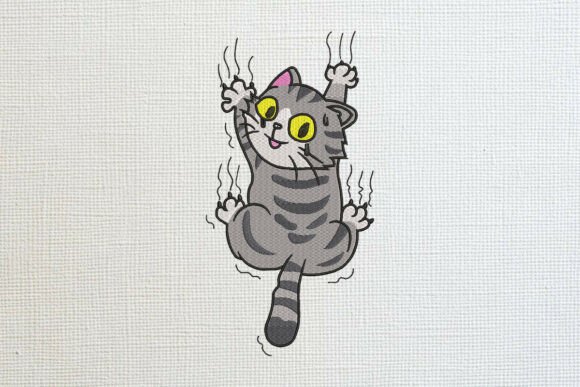
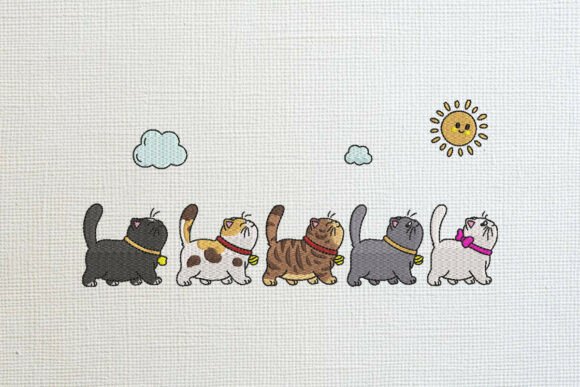
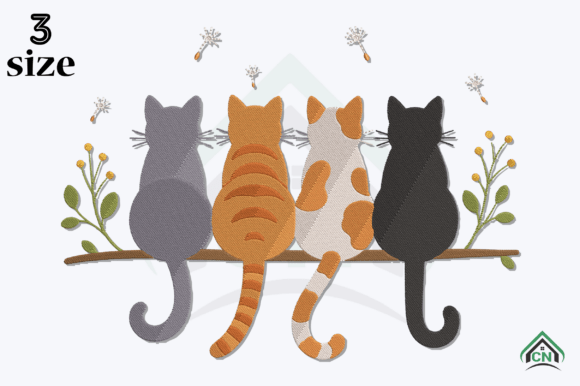
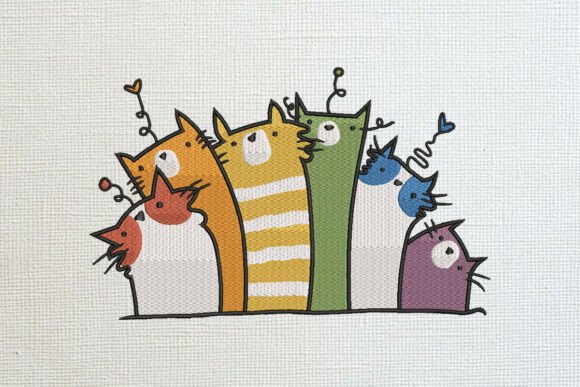
The first thing that strikes you about this design is its playful energy. The layout features a cluster of feline characters, each with distinct expressions that suggest personality rather than generic clip-art stiffness. For those of us in the Cats niche, finding designs that avoid looking robotic or overly simplified is a constant challenge. This design manages to balance detail with stitch efficiency. The shapes are clean, and the visual hierarchy is clear, meaning the eye knows where to look first.
The mood is lighthearted and whimsical, which immediately narrows down its best use cases. This is not a design for formal corporate wear or minimalist modern decor. Instead, it screams "giftability." It feels right at home on items meant to bring a smile, such as a personalized gift for a cat lover or a quirky addition to a home studio. The visual personality is approachable, making it an excellent candidate for handmade product lines that rely on emotional connection.
Real-World Application: The Tote Bag Test
To truly understand the value of an embroidery file, I like to imagine it on a specific product. Let’s say I am preparing a custom order for a local bookstore owner who wants to sell branded merchandise. She needs a tote bag design that stands out but remains durable. Placing the Funny Cat Group Embroidery Design on a heavy canvas tote creates an instant focal point.
In this scenario, the design’s width works well across the center of the bag. The grouping of the cats allows for a wider spread without requiring excessive height, which is crucial for maintaining structural integrity on a bag that will be stuffed with books. When stitched out, the interplay between the different characters creates a sense of movement. Customers are likely to engage with the design because it tells a small story. For an Etsy seller or small shop product creator, this kind of engagement translates directly to higher perceived value and buyer interest.
Versatility Across Product Lines
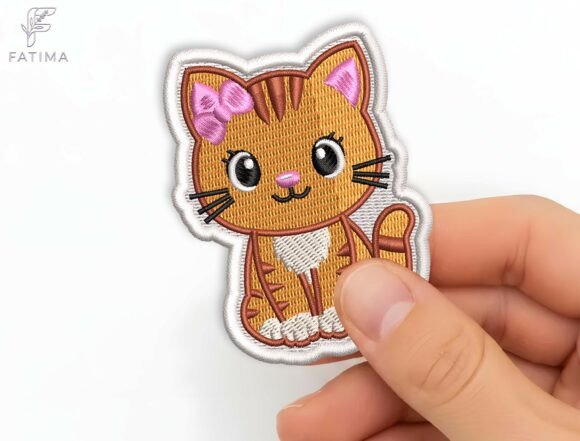
Beyond tote bags, this design shows promise in several other areas. For sweatshirt embroidery, the design can be placed on the left chest for a subtle accent or centered on the back for a bold statement. The density appears manageable for medium-weight fabrics, provided the right stabilizer is used. It would also work beautifully as an embroidered patch. By stitching it out on twill or felt and cutting it close to the edge, you create a versatile accessory that can be ironed or sewn onto jackets, hats, or backpacks.
For those focusing on baby embroidery, caution is advised regarding size and placement, but the soft, rounded nature of the characters makes it suitable for nursery decor, such as pillow covers or blanket corners, where sharp edges are less of a concern. It also fits well into holiday embroidery collections, particularly for casual gifts during birthdays or festive seasons where humor is appreciated.
Technical Considerations and Stitch Behavior
From a technical standpoint, the design relies on a mix of stitch types. You will likely encounter fill stitch areas for the bodies of the cats, providing solid coverage and color vibrancy. Details such as whiskers or eyes may utilize satin stitch or running stitch elements. This combination is standard for professional digitizing, but it requires attention to stitch density.
If the density is too high, the fabric may pucker, especially on lighter materials. If it is too low, the backing fabric might show through, ruining the clean look. When reviewing this design, I recommend checking the preview mode in your software to inspect the stitch paths. Look for long jumps that might need tacking down and ensure that the transition between colors is smooth to minimize thread trims and bulk.
Fabric and Hoop Constraints
Where should you use this design carefully? Any design with multiple characters and detailed faces requires a stable surface. Avoid using it on highly textured fabrics like thick bouclé or loose knits unless you use a strong cut-away stabilizer. On stretchy fabric, the design may distort over time if not properly supported. Similarly, be mindful of hoop size. Ensure the entire group fits comfortably within your hoop with enough margin for the frame to grip the fabric securely. Trying to squeeze a wide design into a small hoop can lead to misalignment or hoop burns.
Dark fabrics present another challenge. If the design uses light thread colors, you must ensure there is sufficient underlay to prevent the dark fabric from peeking through. Conversely, on light fabrics, dark threads must be dense enough to cover the material without leaving gaps. Always test the design on scrap fabric that matches your final product in weight and texture.
Commercial Viability and Brand Consistency
For commercial embroidery professionals and craft business owners, consistency is key. The Funny Cat Group Embroidery Design offers a level of professionalism that builds customer trust. A cleanly stitched design reflects well on your brand, suggesting that you care about quality. This is crucial for digital product sellers who provide printable mockup images or design assets to other makers. The visual appeal of the finished product drives sales.
However, before selling any finished product or including this in a commercial line, you must verify the licensing terms. Not all digital embroidery file providers grant unlimited commercial rights. Check whether the license allows for mass production or if there are limits on the number of physical items you can sell. This step is non-negotiable for protecting your business and respecting the digitizer’s work.
Final Designer Notes
Before committing to a large batch of custom apparel or boutique items, take these practical steps:
- Test on scrap fabric: Always stitch a sample on the exact material you plan to use.
- Check thread contrast: Ensure your chosen thread colors pop against the fabric background.
- Inspect small details: Zoom in on the digital file to check for tiny elements that might break or bunch up.
- Use proper stabilizer: Match the stabilizer type to the fabric weight and stretch.
- Verify licensing: Confirm you have the right to use the design for commercial sales.
The Funny Cat Group Embroidery Design is a strong contender for makers looking to add humor and charm to their portfolio. It balances aesthetic appeal with practical stitch structure, making it a reliable choice for a variety of Embroidery projects. Whether you are creating a unique gift or stocking your online store, this design offers the versatility and quality needed to succeed in today’s handmade market.