Reviewing Personalized Nautical Embroidery Design
As an embroidery designer who has spent years digitizing files and consulting with small business owners, I approach every new machine embroidery design with a critical eye. It is not enough for a pattern to look cute on a screen; it must perform under the needle, withstand washing, and elevate the brand it represents. Recently, I had the opportunity to evaluate the Personalized Nautical Embroidery Design, a collection that promises a charming maritime adventure. For shop owners, Etsy sellers, and apparel decorators, understanding how this asset translates from a digital embroidery file to a tangible finished product is crucial for maximizing return on investment.
First Impressions: Visual Personality and Brand Fit
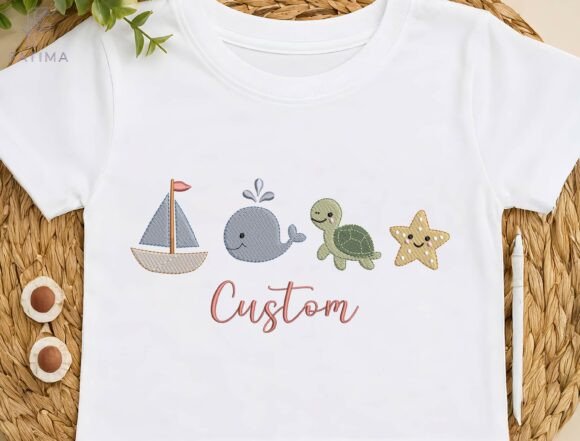
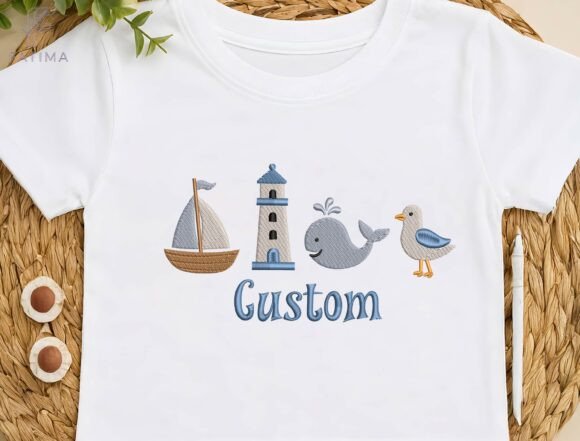
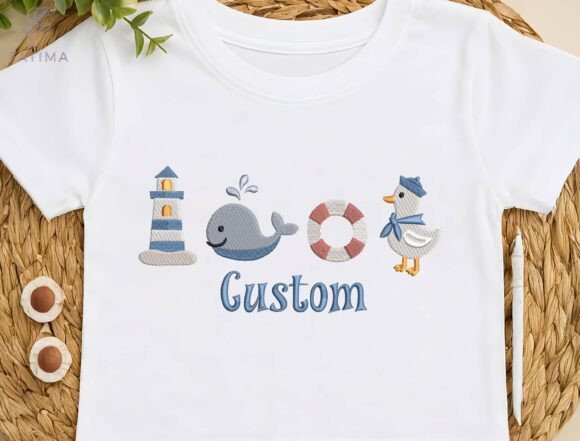
The initial appeal of the Personalized Nautical Embroidery Design lies in its versatility. The description highlights a set of four classic maritime icons, including anchors, whales, ducks, and homes. Visually, this collection strikes a balance between playful and classic. It does not feel overly rustic or aggressively modern; instead, it carries a friendly, handmade aesthetic that resonates well with boutique markets.
For brands targeting families or the Babies category, this design offers immediate emotional connectivity. However, its utility extends far beyond infant wear. The clean lines and recognizable shapes suggest that it can be scaled effectively for various applications without losing integrity. When reviewing such assets, I look for clarity in the outlines. If the design relies too heavily on micro-details, it risks becoming a muddy mess on textured fabrics. Fortunately, the nautical theme generally favors bold shapes, which is a positive indicator for durability and visual impact.
Real-World Applications for Small Business Merch
The true test of any embroidery file is its adaptability across different substrates. Here is how I envision the Personalized Nautical Embroidery Design performing in a commercial setting:
- Embroidered Patches: This is perhaps the strongest use case. Nautical motifs thrive on twill or felt backings. A patch allows for higher stitch density and saturation, making the colors pop. These can be sold as standalone accessories or applied to denim jackets and canvas bags.
- Cap Embroidery: Placing a small anchor or whale on the front panel of a dad hat or trucker cap creates a subtle yet stylish accent. The curved surface of a cap requires a design that is not too wide, and these icons appear compact enough to fit standard 4-inch hoops comfortably.
- Tote Bag Design: Canvas tote bags are a staple for eco-conscious brands. The Personalized Nautical Embroidery Design can serve as a central focal point or a corner detail. The contrast between the thread and the natural fabric texture adds a premium, artisanal feel.
- Apron Embroidery: For bakeries, florists, or cafes with a coastal vibe, embroidering these icons on staff aprons reinforces brand identity. It turns uniform pieces into conversation starters and enhances the customer experience.
- Custom Apparel: Beyond uniforms, these designs work well on children’s clothing or adult leisurewear. They can be placed on the chest pocket, sleeve, or hem for a bespoke touch.
Technical Considerations and Production Challenges
While the aesthetic is promising, production realities must be addressed. As a designer, I advise caution when scaling these designs down for very small applications, such as tiny labels or cuff details. If the thread colors are too similar or the spacing is too tight, the individual elements may merge during stitching.
Another critical factor is fabric texture. On high-pile fleece or rough canvas, fine details can get lost. I recommend testing the Personalized Nautical Embroidery Design on the exact material you intend to use before committing to a large run. Additionally, dark uniforms require careful selection of thread shades to ensure visibility. A navy anchor on a black shirt will vanish, whereas a cream or bright red thread would stand out sharply.
Stabilizer choice is also non-negotiable. For stretchy fabrics like jersey knits often used in baby clothes, a cut-away stabilizer is essential to prevent puckering. For woven materials like tote bags or caps, a tear-away may suffice, but hooping tension must be precise to avoid distortion of the circular or curved elements in the nautical icons.
Enhancing Brand Identity and Customer Trust
In the world of small business merch, consistency is key. Using a cohesive set of icons like those in the Personalized Nautical Embroidery Design helps build visual recognition. When customers see the same quality embroidery on a tote bag, a patch, and a product tag, it signals professionalism and attention to detail. This consistency builds trust, which is vital for converting one-time buyers into loyal patrons.
Furthermore, embroidered items are perceived as higher value than printed counterparts. The tactile nature of Embroidery adds weight and permanence to the brand message. For handmade product sellers, offering personalized options using this design can significantly increase engagement. Customers love seeing their names or specific choices integrated into a professional-looking motif, making the item feel exclusive and special.
Practical Designer Notes for Implementation
Before launching any campaign featuring the Personalized Nautical Embroidery Design, follow these practical steps to ensure success:
- Test in Black and White: Print or stitch the design in monochrome first. This reveals if the shapes are distinct enough without relying on color contrast.
- Check Hoop Size Compatibility: Confirm that the design fits within your standard hoop sizes. If you primarily use 4x4 hoops, ensure the largest icon does not exceed the safe area.
- Review Stitch Density: High density can cause fabric stiffness, especially on lightweight garments. Check the file settings or request a sample to ensure the finish remains soft and flexible.
- Create a Printable Mockup: Use digital tools to place the design on photos of your actual products. This helps visualize scale and placement before spending thread and time on physical samples.
- Confirm Commercial Licensing: Always verify the license terms associated with the digital embroidery file. Ensure you have the right to use it for commercial embroidery projects and sold goods, not just personal use.
- Compare with Existing Assets: Place the new design beside your current logo or branding elements. Does it complement your existing style, or does it clash? Visual harmony is essential for a polished brand presentation.
In conclusion, the Personalized Nautical Embroidery Design offers a robust toolkit for businesses looking to add a touch of maritime charm to their offerings. Whether used for custom apparel, branded patches, or boutique merchandise, its potential is significant. However, success depends on thoughtful execution. By paying attention to fabric choice, stabilizer support, and strategic placement, you can transform these simple icons into powerful assets that drive sales and strengthen your brand’s story. Always prioritize quality control and client approval through mockups to ensure the final result meets the high standards your customers expect.